
Retirement Introduction
Retirement may feel like a lifetime away, but it arrives quicker than you think
Introduction
This blog entry continues my Career series, which addressed the beginning and development of a career. The continuing series explores the next stage of life: retirement, a stage that looks different for everyone.
This retirement series will consist of (URL links TBD):
- Retirement Introduction - Introducing retirement and the importance of preparing for it
- Financial Literacy - Defining the personal and household financial concepts that form the foundation for retirement planning
- Retirement Financial Planning - Planning for retirement alongside personal and household financial goals
- Retirement Activities - Exploring how to use the time retirement provides to pursue personal interests
- Retirement Options in the United States - Exploring US retirement accounts and tax provisions that encourage saving and investing for retirement
- Financial Mathematics - Exploring and deriving financial formulas
Since this series follows my Career series, it is intended primarily for those who are starting their careers. Retirement planning, however, is relevant at any age, and those who haven’t planned for retirement or given it serious thought may find this series useful too.
Ah, The Good Life
Some achieve retirement. Some have retirement thrust upon them.
Retirement eventually finds most of us. I retired a bit over three years ago after a 38-year career. My days are mostly delightfully stress-free:
- No alarm clocks
- No meetings
- No schedules
- No Jira tickets
- Catch up on a TV show in the middle of the day
- Go for a walk
- Take a nap
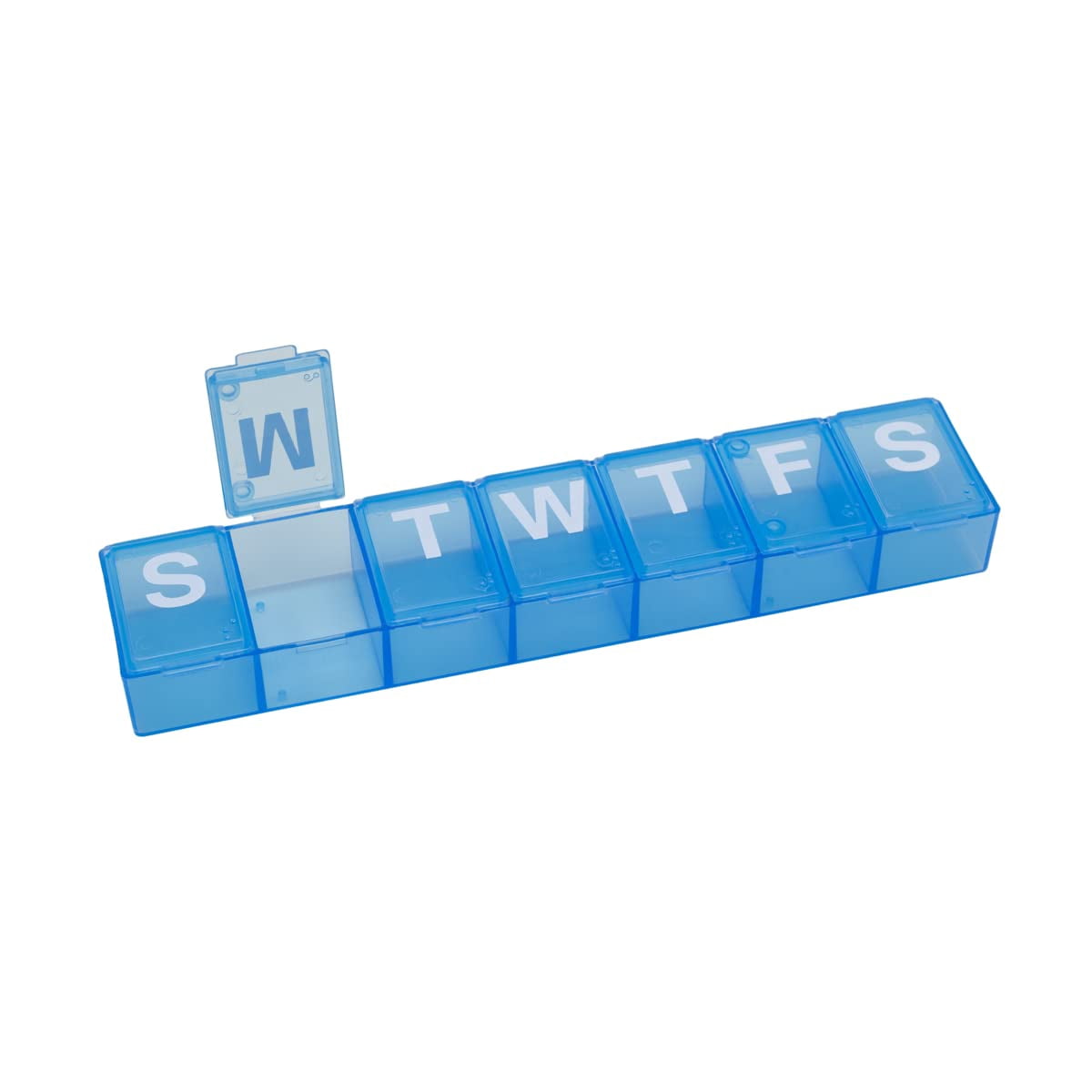
I don’t know the day of the week before consulting my weekly pill organizer or asking my retired wife who always answers, “It’s Saturday. Every day is Saturday now.”
Ideally, we want to leave the workforce on our own terms, but we don’t always have that option. Layoffs, health problems, caregiving responsibilities, and other circumstances can bring a career to an unexpected end.
Preparing financially for retirement provides the flexibility to deal with unexpected changes in your career. You may not know when you’ll stop working, but you can prepare for the possibility.
A previous coworker posted this online a few months ago:
Apparently [my employer] no longer needs my services, along with most of their US developers 🤷♂️. At the moment, I am considering it an “early retirement” … but I would definitely prefer to be “not retired”.
Regardless of the circumstances, retirement can provide the freedom to pursue or extend interests that a full-time career made difficult. One of the greatest pleasures of retirement is no longer having someone else dictate how you spend much of your day.
Edward Jones captured the nature of retirement in a TV commercial set in an auto repair garage. The owner is selling his business and preparing to retire. As he hands over the keys, he asks the enthusiastic buyer what prompted him to take on an auto shop at this stage in life.
The buyer reveals that he just retired from a corporate career. He isn’t looking to spend retirement on a beach. He finally has the time to do what he loves: work on cars.
Two men, at opposite ends of the same dream. One is retiring from the garage; the other is retiring to it.
Retirement isn’t necessarily about slowing down; it’s about shifting gears. What matters is that you have the freedom to pursue your own vision of retirement. Financial planning helps make that possible.
That freedom to enjoy retirement doesn’t happen by accident. Whether you retire on your own terms or have retirement thrust upon you, financial preparation can make a significant difference, and the earlier you start, the better.
The best time to plant a tree was twenty years ago. The second best time is now. — Chinese Proverb
Many of the principles I discussed in Losing Your Job Stinks also apply to retirement preparation. Preparing for retirement and preparing for an unexpected job loss require attention to finances and to how you’ll spend your time. You need to consider:
- Preparing your personal and household finances to fund retirement, ideally beginning early in your career.
- Considering how you’ll use the additional time retirement provides, recognizing that your interests may evolve throughout your career.
I’ll address both in subsequent blog entries.
NOTE: Though I’m writing with a global audience in mind, my perspective is shaped by my experience with retirement in the United States. Even here, my experience won’t be the same as everyone else’s.
Everyone’s circumstances are different. I’ll share one approach, not prescribe a universal solution.
Summary
Retirement is a new stage of life, and it looks different for everyone. It can be a time to pursue interests, explore new opportunities, or simply enjoy having more control over how you spend your time.
But retirement doesn’t always happen when or how we expect. Preparing for it involves more than accumulating enough money. It also means thinking about how you want to spend your time.
The earlier you start preparing, the more flexibility you’ll have when the time comes. And if you haven’t started, the best time is now.